Critical Thinking in the Age of AI
I recently read Daniel Willingham's Critical Thinking: Why Is It So Hard to Teach? on Reading Rockets. Two ideas stuck with me.
Critical thinking requires knowledge
We can learn to question assumptions, consider alternatives, and look for evidence. But without knowledge of the subject, those habits can only take us so far.
Problems have a surface structure and a deep structure
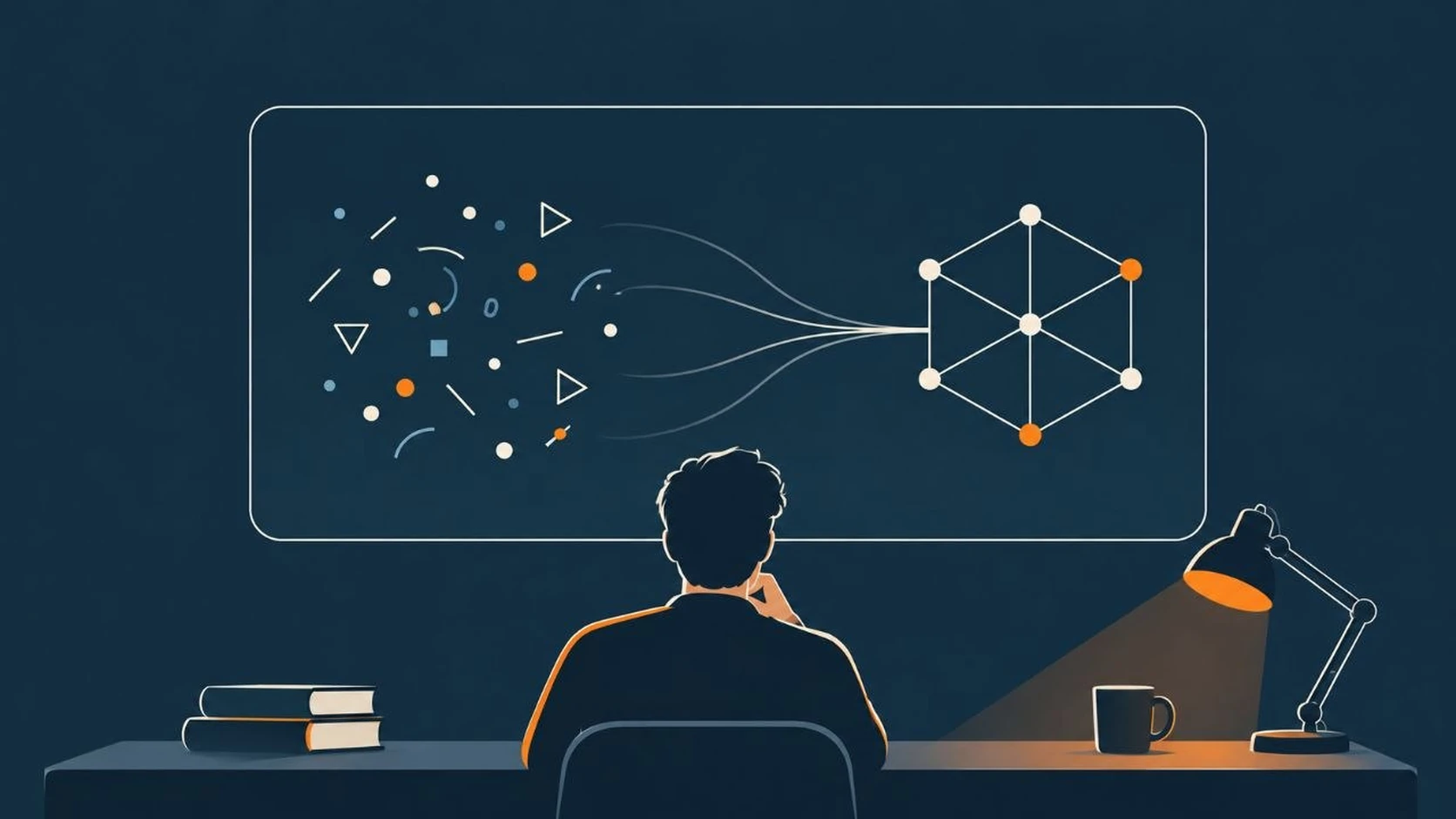
The surface structure is the packaging: the language, context, and details we notice first. The deep structure is the rule or relationship that actually determines how to solve the problem.
Two situations can look unrelated on the surface and still call for the same way of thinking. The hard part is learning to look past the labels and details until you can identify the pattern underneath.
That is one reason experience matters. It gives us a growing library of patterns to compare against, so unfamiliar problems become easier to recognize and reason about.
Why this matters in the age of AI
AI agents can now write code, solve problems, and perform work that once required years of experience.
But producing a solution and judging its quality are different things.
How do we verify an AI-generated solution if we do not understand the problem ourselves? How do we recognize unnecessary complexity, flawed assumptions, or a better approach?
That is where knowledge, experience, and taste matter.
As AI takes on more execution, our role increasingly shifts toward judgment, verification, and setting standards.
AI can help us learn and reason too. But delegating work should not mean delegating understanding.
My takeaway: the less work we need to do ourselves, the more important it becomes to understand what good work looks like.
We should keep learning, building expertise, and pursuing excellence. Not because we must do everything ourselves, but because knowledge lets us see beyond the surface and recognize what others, including AI, might miss.
References
- Daniel T. Willingham, Critical Thinking: Why Is It So Hard to Teach?, Reading Rockets; originally published in American Educator (2007).