Carrying the Fire

I read The Road at an interesting time in my life. I'm about to become a father, and this book set a high standard for what it means to do everything you possibly can to keep your son alive.
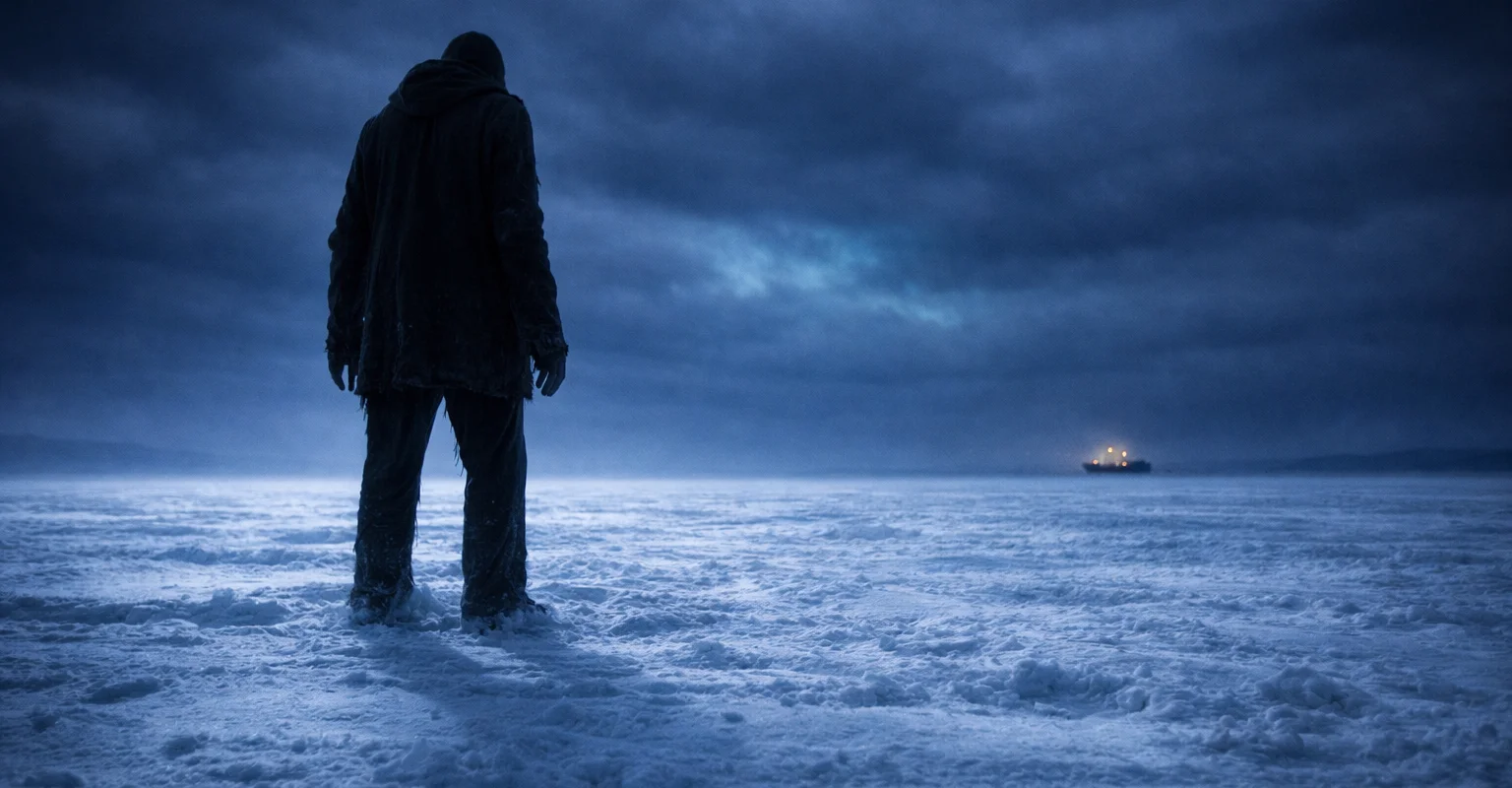
Yes, it's an apocalypse. Ash, cold, cannibals, no food for days. But strip that away and it's a book about being watched. Everything the father does is seen by his son. The right calls and the wrong ones, the cruelty he allows himself. Kids don't forget the contradictions. They just hold them, and expose them on you when you least expect.
The father spends the whole book teaching the boy how to survive. The boy spends the whole book teaching the father why survival is worth it.
And the harder the father fights to protect his son, the closer he gets to becoming exactly what he swore they weren't. If staying alive means giving up compassion, are you still one of the good guys? The boy seems to think so, as long as you're still carrying the fire.
He's dying the whole time. You can feel it in his cough from the first pages. So every lesson isn't just "how to survive today." It's "how to survive without me."
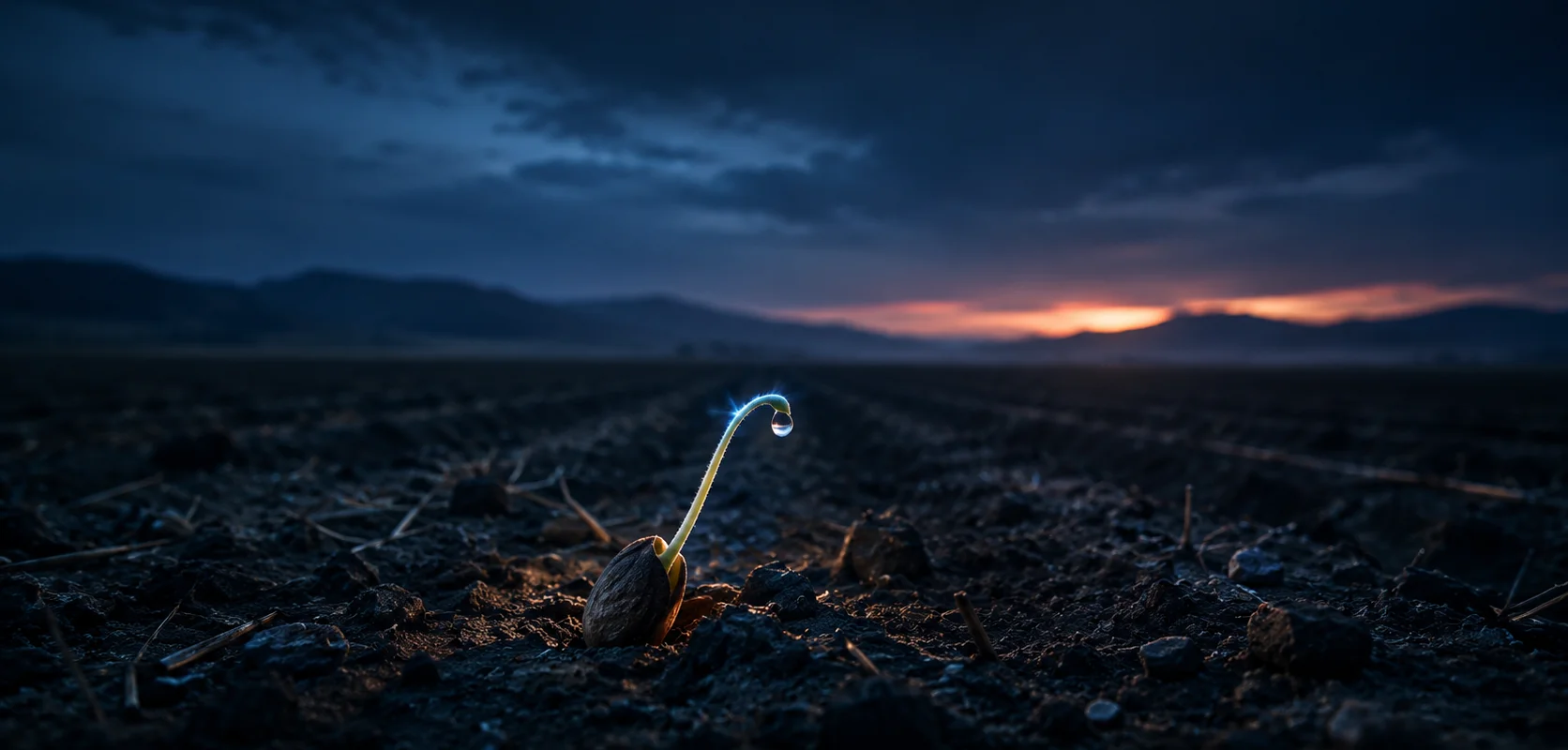
That's what carrying the fire means, I think. Not hope. Not pretending it's fine. It's the same choice I wrote about after East of Eden — timshel, not "thou will" but "thou mayest." The father carries every flaw this world gave him and still chooses, over and over, not to become it. That's the inheritance that matters: not a clean past, but proof that good is still something you get to choose.